

When someone hears the word “cancer,” they usually think of chemotherapy, surgery, or radiation. And yes, those treatments are lifesaving and essential.
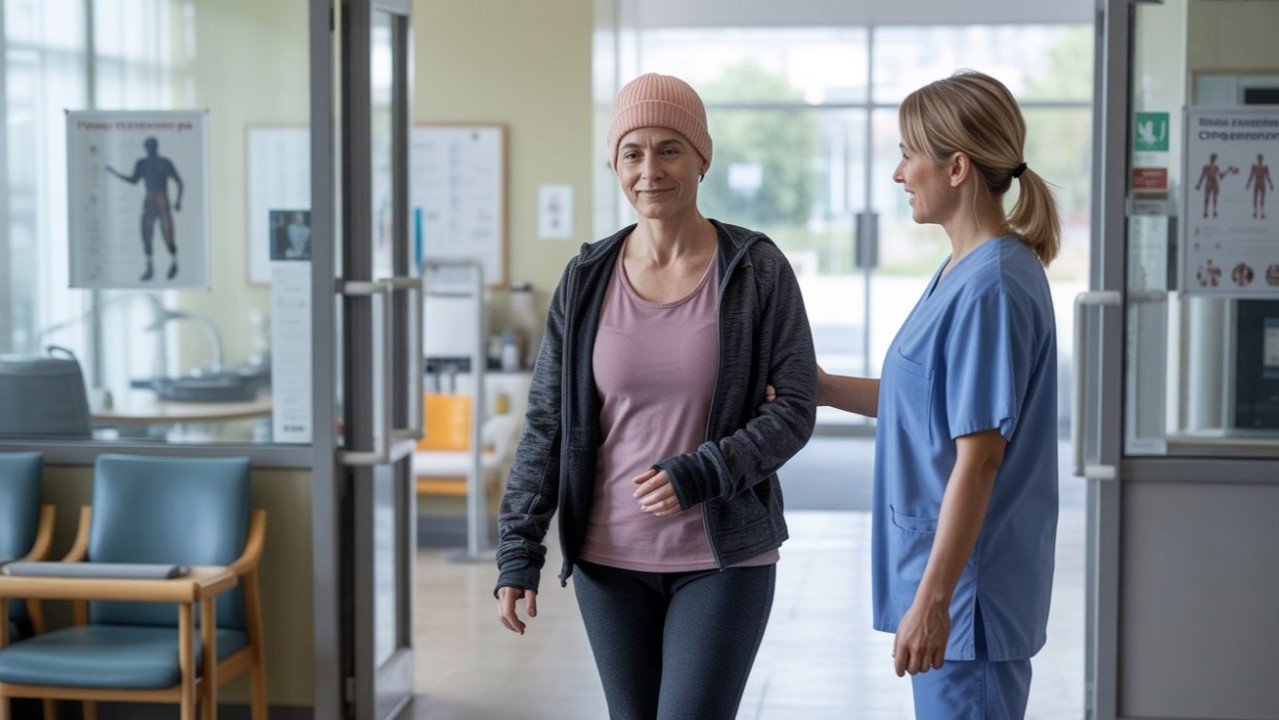
Beyond medical treatment, physiotherapy plays a vital role in cancer care and can significantly improve patients’ quality of life.
And here’s the surprising part. Movement and structured exercise do not just help you feel better during cancer treatment. Research shows they may even help you live longer.
In one study, cancer survivors who participated in structured exercise or physiotherapy-based rehabilitation programs experienced significant improvements in health-related quality of life, including enhanced physical function, reduced fatigue, and improved overall well-being compared with those receiving usual care.
(Gerritsen & Vincent, Exercise improves quality of life in patients with cancer: a systematic review and meta‑analysis of randomized controlled trials, British Journal of Sports Medicine, 2016)
This represents a significant and clinically meaningful improvement in overall health.
Cancer Care Physiotherapy is a well-tolerated intervention that enhances recovery, reduces fatigue, and improves quality of life.
So, What Is Cancer Care Physiotherapy / Oncology Rehabilitation
Cancer care physiotherapy, also known as oncology rehabilitation, is a personalized, evidence-based movement program designed specifically for individuals undergoing cancer treatment or recovering from it.
It focuses on helping the body cope with treatment, restore strength, and improve overall function, safely and progressively.
It is about supporting your body’s recovery without overexertion or unnecessary strain.
An oncology rehabilitation physiotherapist is specially trained to understand the physical challenges associated with cancer and its treatments. Whether you are in the middle of therapy, have recently completed treatment, or are years into survivorship, your rehabilitation plan is carefully tailored to your specific condition, needs, and goals.
What Does It Actually Include?
Your program depends on your needs, but it may involve
Gentle exercises to keep you active during treatment Breathing exercises to support lung function Strength training to rebuild muscle Stretching to improve flexibility and mobility Specialized care for issues like lymphedema or pelvic floor problems
Everything is adjusted to your energy levels and medical condition.
The Impact Is Real and Proven
Clinical research and patient outcomes clearly show the benefits. Let’s explore what this means in real life.
Strength and Energy Improve
During and after cancer treatment, doing physiotherapy can improve you more than you may expect. It helps reduce tiredness, rebuild strength, and makes daily activities easier again. With the right guided movement, your body slowly regains stamina and confidence. You don’t have to push hard, you just need the right kind of support. Step by step, you start feeling stronger, steadier, and more in control of your body.
Breathing Better Means Moving Better And Living Better
If you have had chest surgery, radiation, or lung cancer treatment, breathing can feel harder.
Physiotherapy improves lung function and breathing capacity. Patients who do guided breathing and movement exercises show measurable improvement compared to those who do not.
Strength Equals Independence.
Cancer and its treatments can lead to muscle loss. That weakness affects everyday life such as climbing stairs, carrying groceries, or even getting out of a chair.
Large reviews involving thousands of breast cancer survivors show that those who followed supervised exercise programs had significantly better strength and physical function.
Less Pain Means More Confidence in Your Body
Post surgical pain. Nerve pain from chemotherapy. Stiffness from inactivity.
Physiotherapy helps reduce pain gradually and safely. It is not instant, but many patients notice real improvements within weeks.
Restful Sleep Supports Faster Recovery
Cancer can disrupt sleep in a big way.
The good news is that regular supervised exercise and physiotherapy improve sleep quality and reduces insomnia. Better sleep helps your body heal and improves your mood and energy during the day.
Supports Mental Health During Recovery
Cancer is emotionally draining. Anxiety and depression are common and completely understandable.
Exercise has proven mental health benefits. Many studies show reduced symptoms of anxiety and depression in people who stay active during and after cancer treatment.
Movement helps the mind, not just the body.
The Survival Benefit. This Is Important
In 2025, a major study called the CHALLENGE Trial followed colon cancer survivors after chemotherapy. They were placed in a structured exercise program.
The results were remarkable
28 percent lower risk of cancer recurrence 37 percent lower risk of death from any other complications
These numbers are similar to benefits seen with some medications.
Snively, A. (2025). Study Shows Exercise Reduces Recurrence and Mortality in Stage III Colon Cancer Survivors. Oncology Nursing Society.
Researchers believe exercise works by
Reducing inflammation Strengthening the immune system Regulating hormones Improving heart and blood vessel health
While this study focused on colon cancer, growing research suggests similar benefits across other cancer types.
How Physiotherapy Helps Different Types of Cancer
Breast Cancer
After surgery or radiation, many people experience
Shoulder stiffness Limited arm movement Lymphedema or arm swelling Weakness
There is strong evidence showing physiotherapy significantly improves these issues.
Gynecological Cancers
After ovarian, cervical, or uterine cancer treatment, pelvic floor problems can occur, including
Bladder control issues Pelvic pain Sexual discomfort
Specialized pelvic floor physiotherapy can greatly improve these symptoms and quality of life.
Head and Neck Cancers
Treatment may affect swallowing, neck mobility, and shoulder movement.
Exercise programs improve mobility, swallowing function, and overall fitness.
Advanced Cancer
Even in advanced stages, when the focus is comfort and quality of life, gentle physiotherapy can
Reduce fatigue Decrease pain Improve mental health Maintain independence
The goal is not cure. The goal is living as comfortably and independently as possible.
And that matters.
When Should You Start?
As early as possible.
Whether you are
Newly diagnosed In the middle of treatment Recently finished treatment Years into recovery Living with advanced cancer
There is always benefit in appropriate movement.
What Happens in the First Session?
Your physiotherapist will talk with you about
Your diagnosis and treatments Current symptoms What you can do right now What you would like to be able to do Your personal goals
Then they create a safe, customized plan.
No guessing. No generic workouts.
A Structured Approach to Recovery: The PhysioVeda PPCM® Method
At PhysioVeda Medical Centre, cancer rehabilitation is guided through our structured clinical framework called PPCM® (PhysioVeda Posture Correction Matrix).
Cancer treatments often affect more than just the diseased tissue. They can change posture, breathing patterns, muscle balance, and overall body mechanics. Over time, these changes can contribute to fatigue, pain, reduced lung capacity, and weakness.
The PPCM® approach focuses on correcting these underlying physical imbalances through a structured rehabilitation plan that includes
• Posture correction • Breathing retraining • Muscle balance restoration • Movement re-education • Functional strength building
By addressing these foundational aspects of the body, PPCM® helps patients move more efficiently, reduce strain on the body, and recover strength in a safe and progressive way.
This approach allows rehabilitation to go beyond symptom relief and focus on restoring the body’s natural structure and function during and after cancer treatment.
Can You Just Exercise on Your Own?
Some movement is always better than none. That is true.
But when exercise is guided by a cancer care physiotherapist, the results are often much better and safer.
A trained physiotherapist adjusts the exercises according to your medical condition, makes sure you are moving safely, changes the program as your body and energy levels change, and supports you to stay consistent and motivated. It is similar to the difference between watching a cooking video and having a professional chef guiding you step by step.
The Bottom Line
Physiotherapy is not optional.
It is a powerful part of cancer care.
It helps you
Feel stronger Reduce treatment side effects Recover faster Stay independent Improve your mood Possibly improve survival
You would not skip treatment recommended by your oncologist.
Do not overlook physiotherapy either.
Movement is medicine and when movement is structured correctly, it becomes a powerful tool for recovery.
Support is available.
And you deserve to feel as strong and capable as possible at every stage of your journey.
At PhysioVeda Medical Center, we provide evidence-based cancer care physiotherapy guided by our structured PPCM® (PhysioVeda Posture Correction Matrix) approach. Our team understands what you are going through and is here to help you move better, feel stronger, and regain confidence in your body one step at a time. Our team understands what you are going through and is here to help you move better, feel stronger, and regain confidence in your body one step at a time.