

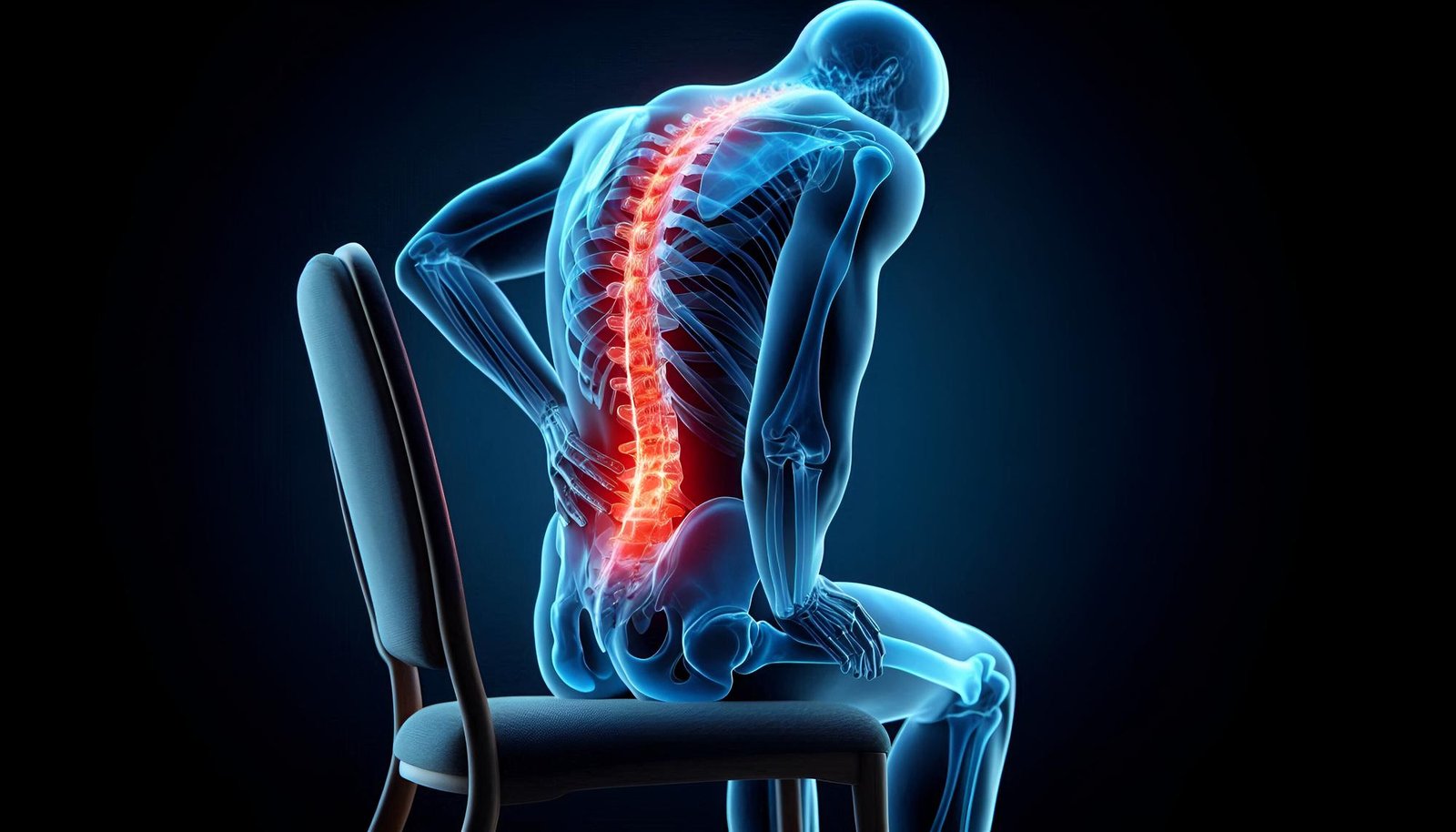
Pain is the body’s alarm system it signals that something needs attention, not necessarily that there is serious structural damage. Back pain is extremely common but not a normal part of ageing or work. Help is available. Your spine supports nearly all body movement, so problems here can severely limit daily life. Low back pain is the single leading cause of disability worldwide[1], affecting over 619 million people in 2020 and projected to exceed 800 million by 2050[1][2]. When untreated, acute back pain often becomes chronic, leading to stiffness, muscle weakness and chronic disability. Early movement and exercise-based therapy are proven to help. In fact, international guidelines consistently emphasize supervised exercise and physiotherapy as first-line treatment for persistent low back pain[3][4]. This article explains the causes of back pain and shows how a tailored physiotherapy program can reduce pain, improve strength, and restore mobility always consult a professional for personalized advice.
Understanding Back Pain:
Back pain can arise from many sources: muscle strain, ligament sprains, disc degeneration or herniation, sciatica (nerve root compression), or arthritis of the spine. It is often non-specific (no clear structural cause), which accounts for about 90% of cases[5]. Common risk factors include poor posture (sitting slumped or bending incorrectly), sedentary lifestyle, obesity, stress, or previous injury[6][7]. Even modest strains (e.g. awkward lifting, prolonged sitting) can trigger pain by irritating muscles and joints. Whatever the cause, sustained back pain should be taken seriously it can alter movement patterns and lead to muscle imbalances. Over time, this may cause a “vicious cycle” of weakness and deconditioning. Ignoring back pain can make it worse. Early management can prevent loss of core strength and chronic disability.
Signs of Back Problems
Typical symptoms of back problems include:
– Persistent or activity-related pain: A dull ache or sharp pain in the lower back, often worse with standing, lifting, or prolonged sitting.
– Stiffness and reduced mobility: Difficulty bending or twisting the spine, trouble standing up straight or getting out of bed in the morning.
– Leg symptoms (if sciatica): Pain, numbness or tingling radiating down one or both legs (sciatica), often described as a shooting or electric sensation.
– Muscle tension: Feeling tightness or knots in back muscles.
– Postural changes: Slumped or stiff posture due to pain avoidance.
Pain may come on after heavy lifting, sudden movements, or even after long periods of sitting or driving. In chronic cases, patients often report difficulty with basic activities like putting on socks, gardening, or getting in and out of a chair. If you experience red-flag signs such as sudden severe weakness in legs, bowel/bladder changes, fever, or night pain seek urgent medical care. For the many back pain sufferers without red flags, early intervention like physiotherapy can rebuild strength and reduce discomfort, helping you return to normal activities.
Causes of Back Pain
Back pain is usually multifactorial. Key causes include:
- Muscle or Ligament Strain: Overstretching or tearing of back muscles/ligaments, often from lifting heavy objects, sudden movements, or poor lifting technique. This can cause acute pain and muscle spasms.
- Disc Problems: Wear-and-tear or injury can cause intervertebral discs to degenerate or herniate. A herniated disc may press on nerves, causing sciatica (leg pain and numbness).
- Arthritis and Degeneration: Osteoarthritis can affect the facet joints of the spine. Disc degeneration also occurs with ageing, reducing disc height and potentially causing pain. Arthritis can lead to stiffness and swelling in the spine.
- Posture and Ergonomics: Slouching, hunching over screens or a non-ergonomic workstation places extra stress on spinal structures[6][7]. Over time, poor posture strains muscles and joints, leading to pain.
- Core Weakness or Imbalance: Weak or deconditioned core muscles (abdominals, back extensors, glutes) can fail to support the spine properly. Muscle imbalances (e.g. tight hip flexors, weak glutes) alter spine mechanics and lead to pain.
- Inflammatory Conditions: Less commonly, inflammatory diseases like ankylosing spondylitis or infections can cause back pain. Redness, fever or unrelenting night pain would prompt investigation.
- Lifestyle Factors: Prolonged sitting, obesity (which increases spinal load), smoking, and stress all contribute to back problems. Sedentary work especially has been shown to worsen LBP a 2023 study found remote teleworking (and its associated inactivity and poor workstation setups) significantly increased chronic low back pain severity compared to pre-pandemic in-office work[7].
Often, back pain involves a vicious cycle: pain leads to less movement, which causes muscle weakness and further pain. This is why strengthening and movement-based therapy are so important.
When to Consider Physiotherapy
It’s never too early (or too late) to get help from a physiotherapist. You should consider professional assessment if:
- Your pain persists beyond a few days: If back pain doesn’t start to ease in 2–4 weeks, or if it recurs frequently.
- Pain worsens with minimal activity: If normal tasks like walking or standing increase pain, or pain affects sleep.
- Symptoms are chronic or recurrent: If pain lasts weeks/months (chronic back pain) or keeps coming back.
- You’ve had an injury or surgery: Physiotherapy accelerates recovery after trauma or spinal surgery.
- It’s starting to limit your life: Difficulty with work, hobbies, driving, housework or exercise.
- You want to avoid surgery: If you have moderate degenerative changes, physio can manage pain and delay invasive treatments.
- Postural or ergonomic issues: If poor posture at work or home seems to trigger pain.
Even if symptoms are mild, early physiotherapy can often speed recovery and prevent chronic issues. Clinical guidelines for low back pain explicitly advise maintaining activity and using exercise therapy rather than bed rest[3][4]. If you feel anxious about movement, a physiotherapist can reassure you, teach safe techniques, and set realistic goals.
Benefits of Physiotherapy for Back Pain
Physiotherapy’s impact on back pain is well-supported by evidence and patient experience. Benefits include:
- Reduced Pain: Guided exercise has been shown to significantly reduce chronic back pain. For example, a recent Cochrane review found moderate-certainty evidence that exercise therapy produces about a 15-point improvement on a 0–100 pain scale versus no treatment[8]. Stronger core and back muscles take strain off painful structures.
- Improved Function and Mobility: Patients often regain range of motion and can perform daily activities with less effort. Stair-climbing, carrying groceries or getting out of bed become easier. Pooled trial data show clinically meaningful improvements in function scores after exercise programs[8][9].
- Better Quality of Life: Less pain means better sleep and mood. Regular activity also releases endorphins, helping fight depression and anxiety that often accompany chronic pain. In fact, active patients with low back pain report better overall well-being than those who remain sedentary[10][8].
- Increased Confidence & Independence: When your back feels stable and strong, you move more confidently. This can help you stay active at work, with family, or in hobbies. Many patients describe returning to hobbies like walking the dog, gardening or golfing after physiotherapy. Regaining independence (bending, lifting without assistance) is a common goal that physio reliably helps achieve.
- Preventing Secondary Issues: A strong core also supports good posture, reducing stress on the neck and shoulders. Improved balance and coordination from physio can lower the risk of falls or injuries (important as back pain can alter gait).
In summary, physiotherapy treats the whole person, not just symptoms. Unlike medications that mask pain, structured exercise therapy addresses underlying weakness and movement patterns[8][9]. It is very safe in fact, exercise is generally no worse than usual care and better than many passive treatments according to research[8][9]. Guidelines and reviews emphasize that “exercise is safe and beneficial” for chronic low back pain[8][11] (as long as it’s done under professional guidance).
Evidence Shows Improvement
Scientific research strongly supports physiotherapy and movement-based care for back pain:
A BMC Musculoskeletal review conducted in 2024 on low back pain found that physiotherapy-based management, including therapeutic exercise and active rehabilitation, is consistently recommended across high-quality clinical guidelines for chronic low back pain [4].
A systematic review conducted in 2026 on low back pain rehabilitation reported that physiotherapy interventions, including structured exercise programs, significantly reduce pain and improve functional outcomes in patients [12].
The NICE guidelines updated in 2020 for low back pain recommend physiotherapy-led supervised exercise programmes as a first-line treatment for persistent low back pain [3].
A Cochrane review conducted in 2021 on chronic low back pain concluded that physiotherapy interventions provide moderate but clinically meaningful improvements in pain and mobility compared to minimal or no treatment [8].
A network meta-analysis published in Frontiers in 2023 found that physiotherapy-based approaches, including structured movement therapies, are effective in reducing pain and improving function in chronic low back pain patients [9].
A WHO report published in 2023 on musculoskeletal conditions highlights that physiotherapy and rehabilitation are essential components in managing low back pain, which remains the leading cause of disability worldwide [1][11].
Taken together, these studies confirm that exercise-based physiotherapy works. Even simple home exercise programs given by a physio lead to significant gains if done consistently[8][9]. In fact, without treatment back pain tends to persist or worsen, so ignoring it often makes it worse. In contrast, embracing movement and professional guidance leads to measurable improvement in pain and daily function[8][12].
The PhysioVeda Back Program
At PhysioVeda Medical Centre, we apply our PPCM® (PhysioVeda Posture Correction Matrix) framework (Posture, Patterning, Core, Movement) to back pain rehabilitation. This systematic approach ensures we address root causes, not just symptoms. For example, our program may include:
- Postural assessment and correction: We analyze your spine alignment (sitting, standing) and retrain posture to unload painful structures.
- Breathing and core activation: Deep breathing exercises engage the diaphragm and stabilize the spine. We teach gentle core contractions (often called “tummy draw-ins” or “bracing”) that protect the lumbar vertebrae.
- Muscle re-balancing: We identify which muscles are underactive (e.g. glutes) or overactive (e.g. hip flexors) and prescribe exercises to restore balance – for instance, glute bridges to activate the buttocks and stretches to relieve tight hip muscles.
- Functional movement drills: We practice everyday movements safely (like squats, lunges, bending/lifting mechanics) in the clinic, ensuring your body moves correctly. This is gradually progressed to match your goals (e.g. picking up children, carrying shopping).
By correcting posture, strengthening the core, and retraining movement, we go beyond quick fixes. Patients often notice that not only their back improves, but also their overall posture and stability. This comprehensive rehab is backed by evidence: combining posture correction with strength and movement training yields better outcomes than focusing on pain alone[8][13]. Our physiotherapists also teach you self-care strategies so you continue improving between sessions. For example, we may use objective measures (like walking distance or strength tests) to track your progress and motivate you.
Typically, someone with back pain might first try rest or over-the-counter remedies, but if pain lingers, they consult a GP. The GP may then refer you to a physiotherapist or advise seeing one. At PhysioVeda, the first physio visit involves a detailed assessment: we review your history, posture, flexibility and any scans/reports you have. We set realistic goals (e.g. “walk pain-free for 30 minutes”). Then we introduce your initial exercises and any manual therapy. Each follow-up (often weekly or biweekly) checks progress and updates your plan. Over 6–12 weeks, most patients notice reduced pain and greater confidence moving. As you reach goals, we transition you to a maintenance programmed perhaps less frequent check-ins and a sustainable home routine so you have tools to manage any future flare-ups.
Take the First Step Toward Healthier Back Care
PhysioVeda Medical Centre offers specialized back pain services led by chartered physiotherapists with advanced musculoskeletal training. We blend the latest research-backed methods with compassionate care. With us you’ll find:
- Trustworthy Expertise: Our therapists are DHA Licensed and members of professional bodies. We follow evidence-based protocols and keep up to date with guidelines like NICE and WHO.[3][11]
- Tailored Programs: Using our PPCM® framework, we correct posture and muscle balance in a structured way. We use objective measures (e.g. strength tests, mobility assessments) to track your improvement and adjust your plan.
- Patient Success: Many former patients report returning to activities they once avoided from playing with grandkids to hiking.
- Comfortable Clinic: Private treatment rooms equipped for rehab, plus the option of telehealth follow-ups for convenience.
If back pain is limiting you, don’t wait. Early physiotherapy often means faster recovery. Movement is medicine contact PhysioVeda Medical Centre today to book an assessment with a specialist back physiotherapist.
“You deserve an active, pain-free life. Our team will help you walk and work stronger.”
Call our clinic or visit our website to arrange a consultation with our back pain experts.
References
- NICE Clinical Guideline NG59 (2020) – Low back pain and sciatica in over 16s: assessment and management[3].
- Fransen M et al., Cochrane Review Exercise for chronic low back pain (2021)[8].
- WHO Fact Sheet: Low Back Pain (2023)[1][11].
- Zhou T et al., Recent clinical practice guidelines for low back pain: a global comparison (BMC 2024)[4].
- Yu L. et al., Exercise therapy in chronic low back pain (Front. Public Health 2023)[9].
- Liu XL et al., Network meta-analysis of physiotherapy for chronic low back pain (Sci Rep 2026)[13].
- Donnici L. et al., Effect of Remote Working on Chronic Low Back Pain (Spine J Neurosurg 2023)[7].
- WHO, Package of Interventions for Rehabilitation – Low Back Pain (2023)[11].
- Global Burden of Disease 2021, Lancet Rheumatology 2023 (cited in WHO Fact Sheet)[1].
- Additional guidelines and systematic reviews from physiotherapy and pain organizations (eg, CSP, APTA, IASP).